Within Dubai, that momentum is amplified by a design-literate, high-value market where renovation services are redefining residential standards. This blog serves as a complete guide to modern living, exploring the trends, design elements, and strategic decisions shaping home renovation in 2026
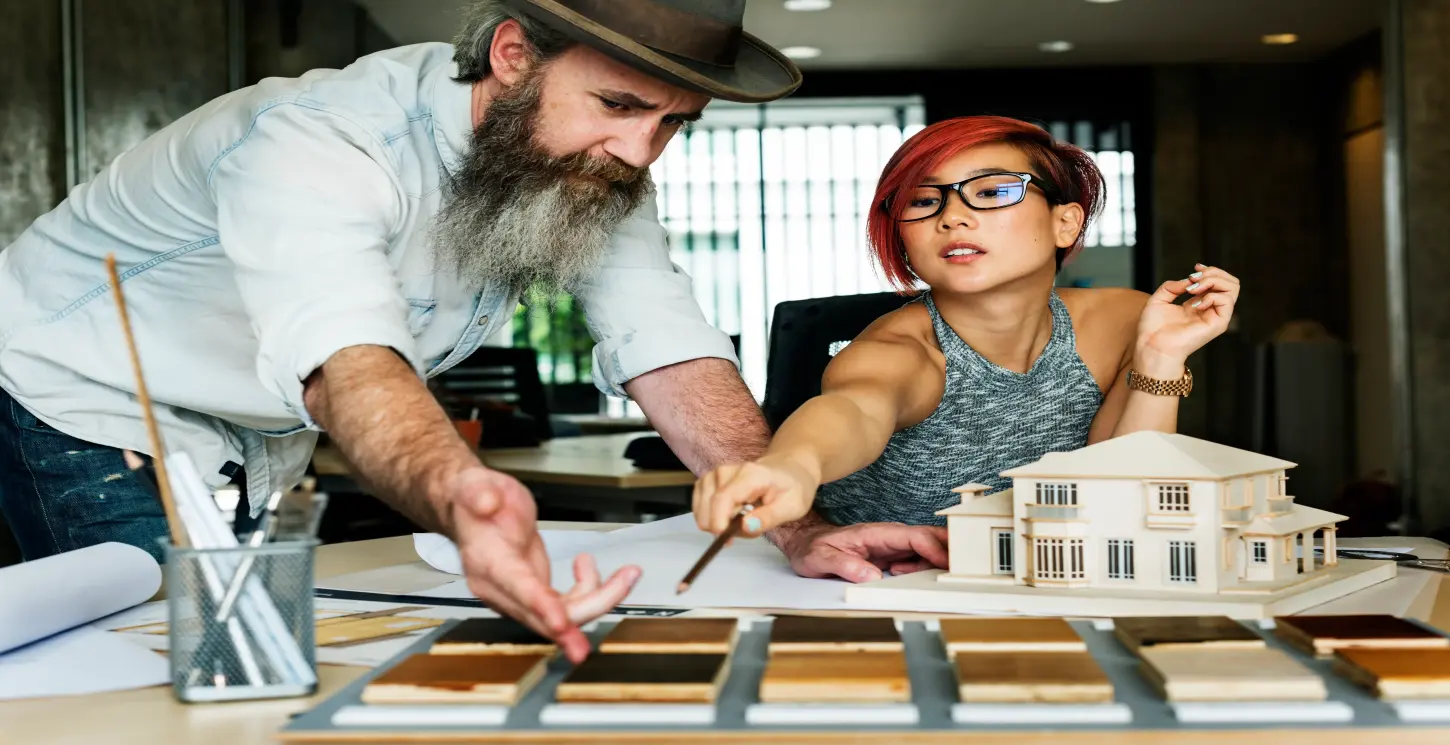
The most discerning homeowners in Dubai have arrived at the same realisation: a space that does not evolve eventually falls behind. In 2026, home renovation is no longer just an aesthetic decision; it is a strategic one, shaped by market expectations, buyer behaviour, and the demands of modern living. This shift is reflected globally, with the home renovation market valued at USD 2,049 billion in 2025 and projected to reach USD 3,026.50 billion by 2034, growing at a CAGR of 4.61%.
Within Dubai, that momentum is amplified by a design-literate, high-value market where renovation services are redefining residential standards. This blog serves as a complete guide to modern living, exploring the trends, design elements, and strategic decisions shaping home renovation in 2026.
Renovation services in Dubai are now aligning closely with these experience-first trends, shaping how modern interiors are designed. Spaces are no longer being designed for impression; they are being designed for living. The following trends are shaping how Dubai's most sophisticated homeowners are choosing to transform their properties this year.
The era of stark white interiors and clinical precision is giving way to something far more compelling. Warm minimalism, defined by clean layouts, layered textures, soft neutral palettes, and the deliberate use of natural materials, has become the dominant design philosophy in Dubai's premium villa communities in 2026.
This shift is meaningful. Linen, walnut, honed stone, aged brass, and woven textiles are replacing the polished surface that once signalled luxury. Rounded furniture profiles, arched niches, and curved joinery are softening spaces without compromising their sophistication. The result is a home that feels both curated and lived in, an increasingly rare and sought-after combination in the market.
Biophilic design has become a dominant trend in the UAE, and it is showing no signs of slowing in 2026. This design philosophy emphasises the connection between interior spaces and nature by incorporating elements such as natural light, plants, and water features.
In practice, this means indoor gardens, living green walls, natural stone surfaces, sustainably sourced timber, and indoor water features that create a sense of calm within Dubai's high-intensity lifestyle. For villa owners with generous indoor volumes and outdoor plots, biophilic design creates an integrated flow between interior and exterior environments that no other approach achieves as effectively.
Within the 2026 interior design trends, sustainability shifts from a symbolic idea to a practical standard, influencing how materials are selected, specified, and used in real homes.
In Dubai, this is no longer aspirational language, it is measurable. Recycled glass countertops, organic cotton and bamboo upholstery, responsibly sourced stone and timber, high-performance glazing, and water-saving fixtures are now standard specification requests in premium villa transformation projects. The UAE's Al Sa'fat green building standards and Dubai's broader sustainability agenda are accelerating this adoption. Properties that align with these standards are increasingly preferred by buyers and tenants who treat sustainable credentials as a marker of quality.
Flexibility continues to define modern home renovation. As we move into 2026, multifunctional spaces are becoming standard rather than optional. Open areas designed to adapt between living, dining, working, and entertaining reflect how people actually use their homes today.
In Dubai's larger villa formats, across communities like Dubai Hills, Arabian Ranches, and Jumeirah Golf Estates, this translates into layouts that serve multiple purposes across the course of a single day. A morning yoga space transitions into an afternoon workspace and an evening entertainment zone. Modular furniture, intelligent storage, and acoustic zoning are the technical enablers. Thoughtful design planning is the foundation.
Smart automation in 2026 stays visually quiet. Touchless faucets, smart appliances, and automated storage features are appearing more frequently in renovation scopes. AI-powered climate control, voice-activated lighting, centralised security systems, and home entertainment integration are no longer the preserve of the ultra-luxury segment, they have become the expectation. The critical evolution in 2026 is how this technology is embedded, without disrupting the visual integrity of a space.
Balconies and terraces are treated as full rooms with outdoor-grade joinery, shaded seating, and integrated lighting. In Dubai, where the climate creates natural demand for elevated outdoor environments, this trend carries particular weight. Retractable pergolas, architectural pools, built-in BBQ and gourmet cooking facilities, fire pit lounges, and landscape-integrated lighting are transforming villa exteriors into fully inhabitable spaces that perform year-round.
Trends identify direction. Design elements deliver it. In Dubai's high-end residential market, the following elements are the building blocks of a transformation that holds its value, aesthetically, financially, and experientially.
Textured walls replace flat paint to add depth, warmth, and visual interest. Walls in 2026 become more expressive through texture rather than decoration, allowing surfaces themselves to define the character of a space without relying on excessive artwork or accessories.
Venetian plaster, lime wash, micro-cement, fluted timber panelling, and natural stone cladding are the finishes defining this shift. Applied with precision across accent walls, corridors, and feature spaces, textured treatments create the tactile depth that distinguishes a considered interior from a decorated one.
Stone and terrazzo move beyond functional surfaces to become expressive design elements that add character, depth, and natural elegance to interiors. Book-matched marble feature walls, terrazzo flooring laid across open-plan living areas, and stone-wrapped kitchen islands are becoming defining features of Dubai's most compelling villa interiors in 2026. These materials age with character, which is precisely why they command premium value in the resale market.
Bespoke furniture is now a core request among villa owners in Dubai because it gives them a level of personalisation that retail pieces cannot. Custom-built wardrobes, kitchen cabinetry, entertainment walls, library shelving, and bathroom vanities, all specified to the exact dimensions and finishes of the space, are the hallmarks of a high-end interior. In Dubai's competitive resale market, bespoke joinery is immediately identifiable to discerning buyers and priced accordingly.
Lighting is not a finishing touch, it is a design layer that determines how every other element is perceived. In 2026's most sophisticated villa renovations, lighting design involves multiple circuits: ambient lighting for atmosphere, task lighting for function, and accent lighting to define architectural features and material choices. Concealed LED systems, pendant features, and automated scene control allow the same space to perform differently at different times of day, a quality that separates genuinely luxurious interiors from those that simply look good in photographs.
Private gyms, yoga decks, and fully equipped fitness spaces open to fresh air and natural light are among the defining features of villa renovations in 2026. Alongside these, spa-inspired bathrooms with freestanding soaking tubs, rainfall showers, steam rooms, and heated flooring are becoming standard.
The post-pandemic redefinition of what a home must provide has permanently elevated the status of wellness architecture. These spaces no longer add to a property's value, they protect its position in the market tier it occupies.
Staircases and architectural details are becoming bold focal points in villa interiors, combining craftsmanship with innovative design. Floating staircases, where steps appear to hover, often paired with glass balustrades, create a minimalist, airy effect. LED underlighting and custom metalwork railings crafted from brass or stainless steel add an artisanal dimension.
In villas where the entrance hall and staircase are the first spaces a visitor experiences, these architectural statements establish an immediate and lasting impression of quality.
How These Trends Translate to Property Value in Dubai
Design choices in 2026 are not made in isolation from the market. In Dubai, where villa prices have risen approximately 60% between 2022 and early 2025, the alignment between renovation services in Dubai and market expectations is more commercially significant than ever.
Delivering on 2026's design vision requires more than aesthetic direction. At the high end of the residential market, the quality of renovation services in Dubai is what separates a transformation that holds its value from one that falls short of it.
Premium interiors are built on precise trades coordination. Joinery tolerances, MEP alignment, lighting integration, acoustic treatment, and FF&E scheduling all determine whether a design vision is realised or merely approximated. In Dubai's climate, characterised by extreme heat, high humidity, and demanding air-conditioning loads, material selection and installation methodology carry consequences that temperate markets do not face. Heat-resistant materials, proper ventilation planning, and climate-appropriate finishes are not optional considerations, they are foundational.
Structural modifications in Dubai require Dubai Municipality approval. Community-specific NOCs from developers like Emaar, Nakheel, Damac, and others are required before work commences. On Palm Jumeirah, Trakhees and Nakheel approvals involve detailed engineering submissions. Permit fees and non-compliance carry fines, in addition to project delays that compound cost and timeline.
A transformation partner with established authority relationships and a proven permit management process is not a convenience at this level, it is a prerequisite.
Dubai is home to over 400 LEED-certified buildings, a number projected to exceed 500. High-end villa transformations in 2026 are increasingly expected to incorporate energy-efficient HVAC systems, solar integration, high-performance glazing, low-VOC interior finishes, and water conservation fixtures. These are not purely environmental decisions, they reduce operating costs, satisfy regulatory standards, and strengthen a villa's long-term market position. That’s why leading renovation services in Dubai are now prioritising sustainable material specification
Full-scale villa transformations in Dubai typically require three to six months, depending on scope and approval complexity. Material procurement, subcontractor coordination, and authority submission timelines all require active management. Projects that begin with a detailed schedule and a transformation partner capable of holding to it consistently deliver better outcomes than those that treat timeline planning as secondary.
Haifa Renov8 has been serving the UAE since 1991 with 22 years of design-build expertise. Through our 150+ in-house specialists, we deliver renovation services in Dubai's most prestigious communities like Palm Jumeirah, Emirates Hills, Tilal Al Ghaf, Meydan, The Meadows, The Springs, DAMAC Hills, Jumeirah Park, Jumeirah Village Circle, Jumeirah Village Triangle, Al Khawaneej, Green Community Dubai, Nad Al Sheba, and beyond.
Contact our team to take the first step toward a space that reflects where design, lifestyle, and investment value converge in 2026.
Warm minimalism, biophilic design, smart home integration, multifunctional layouts, and wellness architecture are the defining trends shaping Dubai's premium residential market in 2026.
Strategically executed renovations in Dubai can increase resale value with well-transformed villas commanding significantly higher rental yields than non-renovated equivalents.
Kitchen and bathroom transformations consistently deliver the highest ROI. Structural reconfiguration into open-plan layouts also drives significant market repositioning in the AED 5M+ segment.
Yes. Energy-efficient upgrades, sustainable material specification, and green-building-aligned renovations reduce operating costs, meet regulatory expectations, and increasingly attract premium buyers and tenants.
Warm minimalism is an interior approach that combines clean layouts with natural textures, soft neutral tones, and tactile materials. It is popular in Dubai because it creates spaces that feel both sophisticated and genuinely comfortable, qualities that resonate with today's discerning buyers and tenants.






 Dubai Hills