Let’s be honest: Renovating a luxury villa in Dubai isn’t just about picking elegant marble countertops or Italian lighting fixtures. It’s a big financial decision that demands planning, precision, and, above all, clarity about what it’s going to cost.
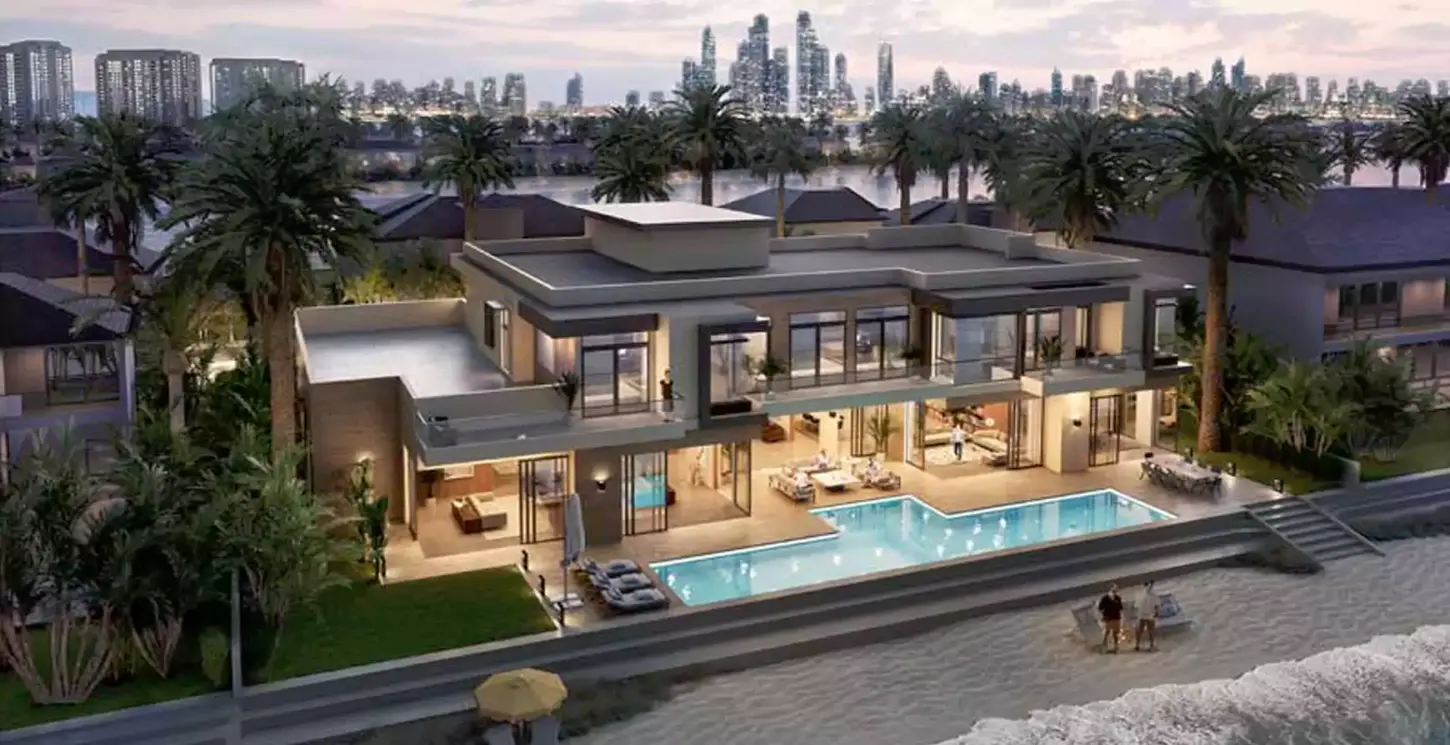
Renovating a villa in Dubai is a major decision that significantly influences comfort, functionality, and long-term property value. At the heart of planning this transformation is understanding the villa renovation cost in Dubai, a figure that can vary dramatically based on design vision, material quality, technical complexity, and execution strategy. Unlike apartment upgrades, villa renovation projects often involve structural work, outdoor enhancements, utility system updates, and compliance with community or municipal requirements. Without a strategic approach, costs can spiral and timelines can extend beyond expectations. This guide breaks down the primary cost drivers, budget planning practices, typical cost ranges, and the indispensable role of a professional renovation team in delivering a successful home transformation.
To grasp villa renovation expenses clearly, it’s essential to understand the major cost influences. These factors form the foundation of any accurate budget estimate.
One of the most significant determinants of renovation cost is the size of the villa and the extent of the planned work. Larger villas naturally require more materials and labor, and they take longer to execute. Basic cosmetic changes like repainting, changing lights, or updating floor finishes represent minimal work, and thus lower cost. In contrast, full overhauls involving kitchens, bathrooms, custom cabinetry, and structural layout changes increase both labor and material costs. Structural adjustments such as wall relocations or expansions require engineering input and approvals, which further elevate the overall budget.
Material selection has a substantial impact on renovation costs. Standard materials such as ceramic tiles, laminate wood, and modular fixtures are cost-effective and functional. Mid-range choices like porcelain tiles, engineered wood, and bespoke cabinetry raise costs moderately. Premium materials, such as imported marble, solid wood, designer sanitary ware, and high-end appliances, significantly elevate project budgets, especially when combined with custom finishes. While premium materials enhance aesthetics and longevity, homeowners must balance aspiration with budget limits to prevent unnecessary overspending.
The complexity of interior and exterior design also affects costs. Custom designs, including bespoke furniture, feature walls, unique architectural elements, or themed interiors require detailed planning, specialized labor, and extended timelines. Many modern renovations also incorporate smart home technologies, such as automated lighting, integrated security, climate control, and multimedia systems. These upgrades improve quality of life and future resale value, but they also introduce incremental costs due to specialized hardware and installation expertise.
Before any renovation work begins, securing necessary approvals from authorities is essential. Structural modifications, major electrical or plumbing alterations, and external changes often require permits. The approval process could involve municipal reviews, utility clearances, and inspections. Permit fees vary by work type and scale, but they must be factored into the budgeting process. Delays in approval or additional compliance requirements can extend schedules and increase supervisory costs, so considering these requirements early in planning is crucial.
Skilled labor is fundamental to a quality renovation. Hiring experienced contractors, electricians, plumbers, and finish specialists ensures that work is done correctly and safely. Experts with proven track records in villa renovations command higher fees, but they help minimize errors, rework, and delays, all of which can be expensive. In Dubai’s competitive market, reputable teams also provide better project planning, quality control, and coordination among trades, which translates to a smoother overall project execution and better long-term results.
The villa’s location within Dubai also influences renovation cost. High-end communities often have architectural controls, vendor approvals, and stringent community guidelines that impact both design and execution. Some communities restrict working hours, specify external material finishes, or require approved contractor lists. Whereas villas in older neighborhoods may offer more flexibility, prestigious developments often demand higher standards, which can increase both compliance costs and material quality expectations.
Strategic planning and careful budgeting are crucial to keeping renovation costs under control while achieving desired outcomes. These steps are the backbone of a successful project.
Before engaging contractors or designers, homeowners should articulate their renovation goals. Are you aiming for aesthetic enhancement, improved functionality, energy efficiency, or full modernization? Establishing clear priorities helps define the work scope and prevents unplanned additions that can inflate the budget. A written brief outlining areas to be renovated, preferred materials, and expected outcomes sets a solid foundation. Early consultation with designers helps homeowners visualize options while aligning expectations with realistic costs.
Receiving at least three itemized quotes from qualified renovation firms provides a comprehensive picture of pricing norms and service variations. Transparent quotes include breakdowns for labor, materials, project management, and contingencies. Comparing proposals helps homeowners detect omissions or overly optimistic pricing that could lead to hidden costs later. Price is not the sole factor, evaluating contractor experience, methodology, and communication style ensures that value and quality are also considered.
Unexpected challenges are common in villa renovations, especially in older properties. Hidden structural issues, outdated utilities, or unanticipated compliance requirements may emerge as work progresses. Setting aside a contingency fund, typically 10 to 15 percent of the total estimated cost, provides financial flexibility and prevents work stoppages due to unforeseen expenses. This buffer also provides peace of mind and ensures that the project can proceed without compromising quality.
Approval processes for structural changes or system upgrades can extend project timelines and indirectly increase cost. Permits from various authorities, utility approvals, and inspections are often required depending on work scope. Factoring these into overall scheduling helps avoid labor idling, rushed work, and last-minute fee adjustments. Early engagement of contractors familiar with local compliance pathways accelerates approval processes and minimizes delays.
Villa renovation projects can be classified into several categories based on scope, each with distinct cost implications. Understanding these categories helps homeowners select the approach that best fits their goals and finances.
Cosmetic renovations focus on surface-level improvements designed to refresh the villa’s appearance without altering its layout or systems. Activities include repainting walls, updating floor finishes, replacing light fixtures, and minor carpentry. Costs for these renovations remain controlled because they avoid structural work or complex engineering, making them ideal for homeowners seeking visual upgrades without a full overhaul.
Partial renovations target selected areas such as kitchens, bathrooms, living rooms, or wardrobes. These projects often involve plumbing, electrical adjustments, waterproofing, and custom cabinetry. Costs are higher than basic cosmetic work due to skilled labor and material coordination, but they offer significant functionality improvements without the disruption of a complete home overhaul.
Full interior renovations transform the entire living space. They commonly involve reconfiguring layouts, upgrading electrical and plumbing systems, replacing floor and ceiling finishes, and installing bespoke fixtures throughout. These comprehensive transformations require detailed planning, phased execution, and strong project management. Costs reflect both the scale of work and the level of design involvement.
Luxury renovations emphasize bespoke design, premium materials, advanced automation, and architectural detailing. They often include smart home integrations, custom furniture, designer kitchens, spa-style bathrooms, advanced lighting systems, and unique textures or finishes. While investment levels are higher, luxury renovations deliver exceptional comfort, personalization, and long-term value. These projects require specialized expertise and precise coordination.
Outdoor renovations often complement interior upgrades. Landscaping, boundary walls, pools, terraces, pergolas, and external lighting enhance usability and curb appeal. These works require specialized planning for drainage, weather resistance, and structural stability. Although they add cost, exterior enhancements significantly elevate both lifestyle quality and property value.
Long-term success in villa renovation depends on disciplined cost control and continuous project oversight. This section outlines key strategies for managing expenses without compromising design goals.
Homeowners should articulate whether the renovation aims for lifestyle improvement, increased property value, or functional modernization. Clear objectives help prioritize design decisions and reduce unnecessary upgrades, maintaining focus and financial discipline.
Itemized budgets covering labor, materials, permits, project management, and contingencies empower homeowners to understand where money is allocated. Transparency enables strategic adjustments when necessary and supports informed decision-making at every step.
Extended renovation timelines inflate labor and management costs. Proper scheduling, material lead-time coordination, and phased execution help maintain momentum and minimize idle resources. Clear milestone planning also helps track progress relative to budget.
Regular cost tracking during execution helps identify variances early. Proactive adjustments prevent escalation and support financial discipline throughout the project. Homeowners and project managers should review expense reports frequently to maintain clarity.
Change requests during renovation can alter cost dramatically if unmanaged. Establishing a formal process for evaluating and approving changes ensures that budget impact, timeline adjustments, and design implications are clearly understood before implementation.
Professional renovation companies bring expertise, coordination, and value that home DIY or informal contractors simply cannot match, particularly in Dubai’s complex renovation environment.
Expert renovation companies provide centralized management for every aspect of the project. They coordinate contractors, schedule trades, manage deliveries, handle compliance, and resolve site conflicts. This centralized approach ensures quality consistency and efficient execution.
Professional teams align design intent with construction feasibility. They enhance space utilization, optimize workflows, and ensure that technical systems (electrical, plumbing, HVAC) integrate seamlessly with aesthetics. Quality design execution enhances both functionality and property value.
Access to experienced artisans, technicians, and supervisors guarantees high workmanship standards. Renovation firms implement quality checks at every stage, reducing defects and rework. Skilled execution directly affects durability, safety, and homeowner satisfaction.
Dubai’s renovation requirements involve municipal, utilities, and safety inspections. Professional firms navigate these requirements efficiently, ensuring all permits, inspections, and approvals are secured in advance. Their experience minimizes costly compliance errors and project delays.
5. Post-Completion Support
Reliable renovation companies provide after-completion support, including warranty coverage, adjustments, and maintenance guidance. This long-term support protects the homeowner’s investment and reinforces confidence in the final result.
Understanding villa renovation cost in Dubai is not limited to estimating materials and labor. It involves strategic planning, technical know-how, regulatory compliance, and expert execution. Every decision, from layout changes to material selection, has a direct impact on both cost and quality.
Partnering with a reliable villa renovation company in Dubai ensures that each decision is informed, compliant, and strategically aligned with long-term value. With the right expertise and planning, villa renovation transforms from a complex task into a confident investment, resulting in a refined, functional home designed to stand the test of time.
At Haifa Renov8, we approach villa renovation as a complete partnership. We focus on realistic budgeting, clear communication, and precision execution to deliver spaces that balance aesthetics, functionality, and long-term value. Our goal is to ensure every renovation reflects the homeowner’s vision while maintaining cost clarity and quality craftsmanship from start to finish.






 Dubai Hills