Office spaces across Dubai have reached a turning point. Traditional layouts that once felt practical now struggle to support changing work styles, team growth, and daily comfort.
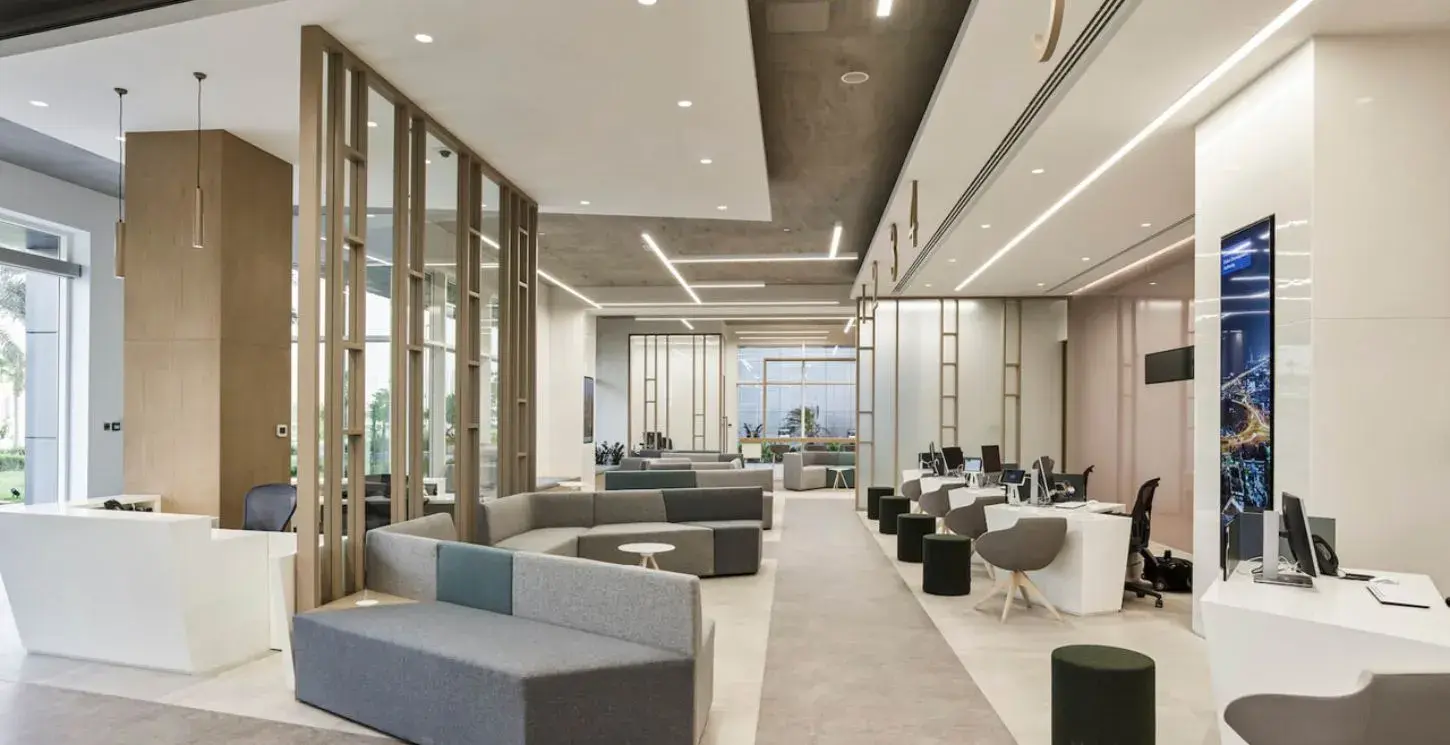
Office spaces across Dubai have reached a turning point. Traditional layouts that once felt practical now struggle to support changing work styles, team growth, and daily comfort. Fixed walls, limited light, and rigid seating often slow people down instead of helping them work better. This growing gap between how offices look and how people actually work has pushed companies to rethink their interiors. The focus has shifted from short-term design choices to long-lasting, flexible environments that support people, technology, and brand identity together. Office fit-outs in Dubai are no longer about appearance alone; they are about creating spaces that work today and stay relevant tomorrow.
Rigid office layouts are slowly disappearing from Dubai’s commercial spaces. Businesses now prefer interiors that can change as teams grow or shift. Movable partitions, modular furniture, and flexible power setups allow spaces to be adjusted without major disruption. Meeting rooms can turn into collaboration zones, and quiet areas can be reshaped when needed. Flexibility is no longer treated as a luxury feature. It is now a basic requirement during fit-out planning, helping companies stay ready for change.
Sustainability has become part of everyday decision-making in office fit-outs. Interior choices now focus on materials that are safer, long-lasting, and responsible. Low-emission finishes, responsibly sourced wood, energy-saving lighting, and water-efficient fittings are selected during the early planning stage. These choices reduce long-term maintenance needs and align with wider sustainability goals across the UAE. Sustainable interiors are valued not just for compliance but also for long-term business sense.
Technology is no longer added after the office is complete. It is built into the design itself. Offices in Dubai are now planned to support both in-office and remote collaboration. Meeting rooms include built-in audio-visual systems, proper acoustics, and lighting that works well for video calls. Smart access systems and energy monitoring tools influence how spaces are laid out. This approach ensures that technology works quietly in the background, supporting daily operations without clutter.
Wellbeing has moved from being a design trend to a core requirement. Offices are now expected to support comfort, focus, and mental balance. Natural light is maximised, indoor plants are thoughtfully placed, and furniture is chosen for comfort rather than appearance alone. Breakout areas are designed as true rest spaces, not leftover corners. This shift recognises that a healthy environment directly supports productivity and satisfaction.
Open-plan offices have not disappeared, but they are being refined. Instead of one large uniform space, offices are divided into zones based on function. Quiet areas support focused work, while collaborative zones encourage discussion. Informal meeting spaces and client-facing areas are clearly defined using layout, lighting, and finishes. This thoughtful zoning allows different work styles to exist within the same office without conflict.
Visual appeal still matters in Dubai offices, but durability now carries equal importance. Materials are selected for how well they perform under daily use. Quality joinery, textured walls, and performance flooring replace finishes that wear out quickly. Custom-built elements reflect brand character while staying functional. This balance between appearance and performance highlights the importance of skilled craftsmanship and attention to detail.
Office interiors have become a physical expression of brand values. From reception areas to meeting rooms, colours, materials, and signage reflect company identity. These spaces are treated as important brand touchpoints rather than purely functional areas. A well-designed office communicates professionalism, culture, and confidence the moment someone steps inside.
A noticeable shift toward timeless design is shaping office interiors in Dubai. Instead of chasing short-lived trends, businesses are investing in layouts and materials that age well. Adaptable systems allow gradual changes without full renovations. This long-term view reduces costs and keeps offices relevant for years. Experienced fit-out partners play a key role in guiding these decisions.
Successful office renovation starts with clear planning and practical choices.
A well-designed office influences many aspects of business performance. Productivity improves when spaces support focus and collaboration. Employee retention strengthens when comfort and wellbeing are prioritised. Brand perception benefits from interiors that reflect professionalism and care. Client experience improves when meeting spaces feel welcoming and organised. Acoustic balance, lighting quality, and overall comfort also contribute to a healthier work environment.
Haifa Renov8, the best office fit out company in Dubai stands as a reliable name in Dubai’s renovation and fit-out landscape. As part of a long-established construction group, the company brings deep experience in renovation, interior design, and fit-outs. Every project is managed in-house, from design to execution, ensuring clear communication and accountability.
The approach focuses on durable workmanship, transparent planning, and milestone-based delivery. Design concepts are developed with practical execution in mind, aligned with local authority standards. Even after completion, ongoing support and maintenance remain part of the relationship.
Office interiors shape how people feel and perform every day. Choosing the right office fit-out in Dubai creates spaces that support growth, wellbeing, and brand presence together. Haifa Renov8 delivers office environments built with care, clarity, and long-term value in mind. From flexible layouts to thoughtful finishes, every detail is planned to serve both people and purpose. For businesses ready to invest in workspaces that truly work, Haifa Renov8 offers a dependable path forward.
What makes modern office fit-outs different from older designs?
Modern fit-outs focus on flexibility, wellbeing, and technology integration rather than fixed layouts.
Why is zoning important in office interiors?
Zoning supports different work styles by creating areas suited for focus, collaboration, and meetings.
How does sustainability influence office fit-out decisions?
Material choices and systems are selected to reduce long-term impact and maintenance needs.
When should technology planning begin during an office renovation?
Technology planning should start at the design stage to ensure smooth integration.
Why choose a single fit-out partner instead of multiple vendors?
A single partner ensures consistent quality, clear communication, and smoother execution.






 Dubai Hills