The demand for functional interior design in Dubai has moved beyond simple aesthetics to prioritize the seamless integration of purpose, luxury, and cultural relevance. Designing a functional space involves more than selecting high-end finishes; it requires a strategic approach to architecture, ergonomics, and local regulations.
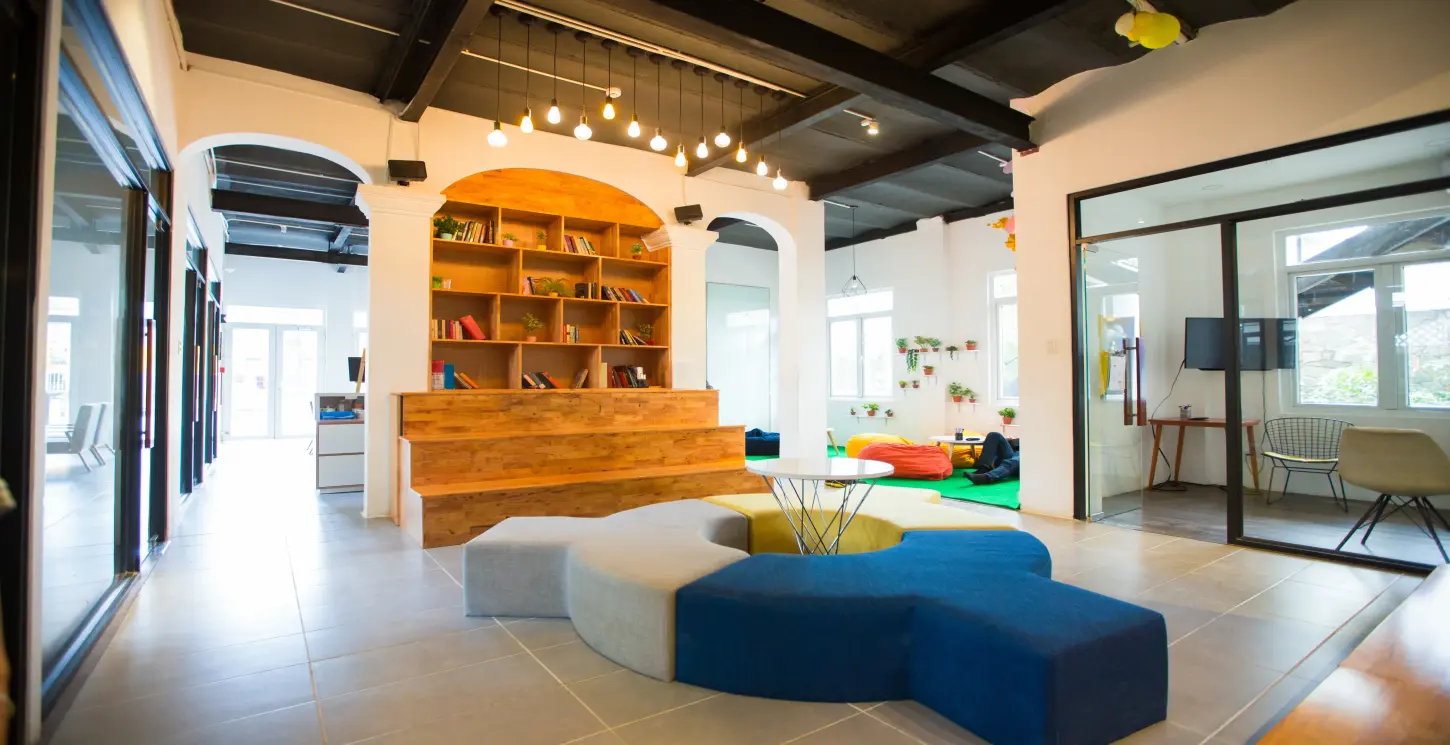
The demand for functional interior design in Dubai has moved beyond simple aesthetics to prioritize the seamless integration of purpose, luxury, and cultural relevance. Designing a functional space involves more than selecting high-end finishes; it requires a strategic approach to architecture, ergonomics, and local regulations.
Designing a high-end property in the UAE is not merely about aesthetic grandeur; it is a meticulous orchestration of ergonomics, local regulations, and sophisticated craftsmanship. In a city like Dubai, where luxury is the baseline, the true distinction lies in how a space functions for its inhabitants.
Dive through this comprehensive guide to explore the intricate details of transforming empty shells into high-performance environments through professional interior fit-out.
Functional interior design is the practice of optimizing a space’s layout and features to ensure they serve the specific needs of the occupants while maintaining a high aesthetic standard. In the context of Dubai’s luxury market, this means moving beyond showroom looks to create environments that facilitate a seamless lifestyle.
A functional space addresses several key pillars:
Circulation: How people move through the room without obstacles.
Ergonomics: Ensuring furniture and fixtures are at the correct height and scale.
Climate Adaptation: Designing interiors that account for the UAE’s intense heat and light.
Purpose-Driven Zoning: Allocating specific areas for work, relaxation, and entertainment within an open-plan layout.
By prioritizing functional interior design in Dubai, owners can ensure their property is not only a visual statement but a highly efficient environment that enhances daily living.
The journey from a shell and core unit to a fully furnished luxury space is complex. Navigating the interior fit-out process in Dubai requires a clear understanding of both creative design and rigorous administrative approvals.
The process begins with a detailed consultation. For luxury brands, this stage involves understanding the client’s lifestyle such as, do they host large gatherings? Do they require a home office with acoustic privacy? This brief forms the foundation of the project.
Once the brief is set, designers create 2D layouts and 3D renders. This is where space planning interior design takes center stage. Every square meter is scrutinized to ensure maximum utility without cluttering the floor plan.
Dubai has strict regulations managed by various standards. No fit-out can proceed without permits from:
Dubai Municipality (DM): For structural and general architectural changes.
Civil Defence: For fire safety, sprinklers, and smoke detectors.
DEWA: For electrical and water load changes.
Concordia/Tecom/Emaar: Depending on the specific community or free zone.
Luxury fit-outs rely heavily on bespoke elements. This phase involves sourcing premium materials like Italian marble, sustainable hardwoods, and custom-made cabinetry (joinery) that fits the exact dimensions of the space.
The final stage is the physical transformation. It involves civil works, MEP (Mechanical, Electrical, and Plumbing) installations, and the final snagging where every detail is polished to perfection before the client moves in.
Effective space planning interior design is the blueprint for a successful fit-out. It involves analyzing the floor plan to ensure the flow of the room aligns with human behavior. In Dubai, where villas often feature expansive square footage, the challenge lies in making large areas feel intimate yet efficient.
Zoning is the process of dividing a large area into specific functional pockets. For instance, a luxury living room might be zoned into a formal seating area, a media zone, and a reading nook. Each zone is defined by lighting, furniture placement, and acoustic treatments without the need for intrusive walls.
Ergonomics ensures that the physical dimensions of the space match the needs of the user. This includes:
Circulation Paths: Ensuring a minimum of 90cm to 120cm for main walkways.
Work Triangle: In kitchen fit-outs, the distance between the sink, stove, and refrigerator is optimized for minimal effort.
Storage Optimization: Utilizing vertical space to keep floor areas clear, a hallmark of functional interior design in Dubai.
When executing an interior fit-out in Dubai, specific technical and aesthetic elements must be harmonized to achieve a luxury finish.
Why is space planning interior design considered the blueprint of a luxury home? Without it, even the most expensive furniture will feel misplaced.
Effective space planning in Dubai’s sprawling villas involves zoning. In large, open-plan villas, designers use visual cues, such as different flooring textures, dropped ceiling heights, or strategic lighting to define separate areas without using solid walls. This maintains the sense of airy luxury typical of Dubai’s architecture while providing the privacy needed for a family home
A functional home does not stop at the front door. In the UAE, villa exterior design is essential for creating a cohesive transition between the luxury interior and the outdoor environment.
Exterior design in Dubai must look for extreme UV exposure. Using GRC (Glass Reinforced Concrete), natural stone cladding, and high-performance glazing ensures the villa remains cool while maintaining a prestigious aesthetic.
Functional exterior design includes the strategic placement of pergolas, outdoor kitchens, and sunken seating areas. These elements extend the living space, making the villa functional year-round despite the climate.
In 2026, the trend in interior fit-out in Dubai has shifted toward quiet luxury, where the functionality is hidden behind minimalist, high-quality finishes. Modern luxury is defined by how well a space supports the user's health and lifestyle through smart, sustainable choices.
Biophilic Design: Integrating greenery and natural light to improve mental well-being.
Smart Home Ecosystems: Invisible technology where climate, security, and entertainment are controlled via a single interface.
Sustainable Materials: Using reclaimed wood, low-VOC paints, and recycled marbles to meet Dubai’s Green Building regulations.
It is a common misconception that the exterior and interior are separate entities. In reality, villa exterior design dictates the internal experience.
The placement of windows (fenestration) in the villa exterior design determines how much natural light enters the home. In Dubai, south-facing windows might require specialized UV-reflective glazing or external shading structures like pergolas to prevent the interior from overheating.
The trend of indoor-outdoor living means that the transition from a living room to a garden must be seamless, often utilizing flush-track sliding doors that require precise structural engineering during the fit-out phase.
The approach to functionality shifts significantly depending on the scale of the property.
The focus is on Multi-functionalism. This includes Murphy beds in guest rooms that double as offices, or kitchen islands that serve as both prep stations and dining tables.
Large rooms can feel cold and institutional if not planned correctly. Here, functionality is achieved by creating rooms within rooms, such as, small, cozy seating areas within a massive formal majlis.
High-end fit-outs now favor materials that can withstand the humidity and salinity of coastal areas like JBR or The Palm.
Engineered Stones: While Carrara marble is classic, high-quality porcelain and quartz are becoming popular for high-traffic areas due to their non-porous nature and resistance to staining.
Performance Fabrics: UV-resistant velvets and leathers ensure that furniture placed near large windows does not fade under the harsh Dubai sun.
Eco-friendly Paints: Low-VOC (Volatile Organic Compounds) paints are essential for maintaining indoor air quality, a key component of functional wellness-centric design.
Compliance is the most critical hurdle in the Interior Fit-Out in Dubai . Failure to adhere to the Dubai Building Code can lead to heavy fines and the refusal of the Completion Certificate.
Fire Safety: All materials used in fit-outs must meet the fire-rating standards set by the UAE Fire and Life Safety Code.
Structural Integrity: Removing a load-bearing wall or altering the balcony of a skyscraper requires specialized engineering reports and NOCs from the developer.
Energy Efficiency: DEWA regulations require specific lighting power densities and efficient HVAC units to reduce the carbon footprint of luxury properties.
A luxury fit-out is an investment. Choosing a partner like Haifa Renov8 ensures that the complexities of space planning interior design and government approvals are handled with white-glove service. The right contractor acts as a bridge between your vision and the strict technical requirements of the UAE.
At Haifa Renov8, we redefine the standards of luxury through precision-engineered interior solutions. As a premier brand in the UAE, we specialize in high-end interior fit-out in Dubai, ensuring that every square inch of your property is a testament to both elegance and efficiency. From complex villa exterior design to intricate space planning interior design, our team handles every aspect of the transformation.
We understand that a luxury home in Dubai is an investment in your well-being. By integrating the latest trends in functional interior design in Dubai with world-class craftsmanship, we ensure your space is as efficient as it is beautiful.
Explore our portfolio and learn more about our bespoke services by visiting our website.
Transform your vision into a living reality. Contact Haifa Renov8 today for a bespoke consultation.
The timeline varies based on the project size. A standard luxury villa fit-out can take 3 to 6 months, while commercial offices may take 2 to 4 months. This includes the time required for authority approvals, which usually takes 2 to 4 weeks.
Yes, most modifications, including changing partitions, flooring, or electrical layouts, require approval from the Dubai Municipality or the relevant free zone authority to ensure the building's safety and fire codes are maintained.
Interior design focuses on the aesthetic and spatial planning (colors, furniture, layout), whereas interior fit-out is the actual construction and installation of the infrastructure (flooring, ceilings, MEP, walls) to make the space habitable.
Yes, strategic villa exterior design using heat-reflective paints, shaded windows, and thermal insulation can significantly reduce the load on your HVAC system, keeping your interiors cooler and lowering energy costs.
In a commercial setting, space planning directly impacts employee productivity and collaboration. It ensures that acoustic privacy is maintained in meeting rooms while allowing for an open, collaborative flow in common areas.






 Dubai Hills