Discover how design-led fit-outs combine functionality and aesthetics to create high-performing spaces. Learn key strategies including user-centric design, sustainable planning, modern office fit-out ideas, and creative fit-out solutions that enhance comfort, productivity, and long-term value.
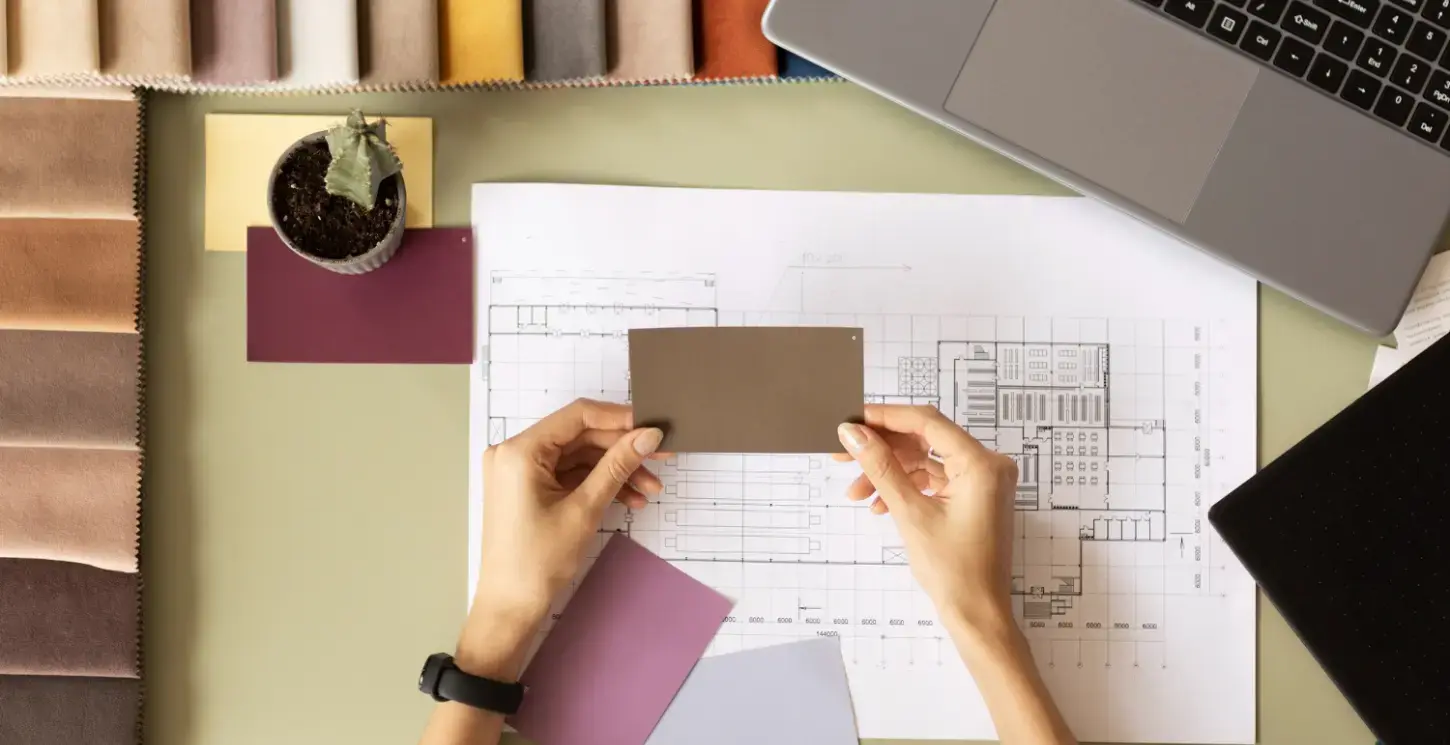
A well-designed space does much more than look attractive. Whether it is an office, retail outlet, commercial property, or luxury residence, the way a space is planned directly affects how people use it, experience it, and feel within it. This is why the concept of a design-led commercial fit-out has become increasingly important in modern construction and renovation projects.
Today, property owners are looking beyond simple renovations. They want spaces that support productivity, improve comfort, reflect brand identity, and remain relevant for years to come. Achieving this balance requires a careful blend of functionality and aesthetics. In this article, we explore why balancing design and usability matters and the strategies that help create spaces that are both practical and visually impressive.
A design-led fit-out is an approach where design decisions are guided by both visual appeal and practical performance. Instead of treating aesthetics and functionality as separate elements, they are developed together from the beginning of the project. The goal is to create spaces that not only look exceptional but also support the people who use them every day. Whether it is an office, villa, retail store, or hospitality space, every design choice serves a purpose.
This approach has become increasingly popular because modern users expect environments that are efficient, comfortable, and visually engaging at the same time.
Many projects focus heavily on appearance. While a visually stunning space may create a strong first impression, it can quickly lose its value if it fails to meet practical needs.
Similarly, a highly functional space may perform well operationally but can feel uninspiring and lack character. The most successful spaces achieve a balance between the two.
People spend a significant amount of time in their homes, offices, and commercial spaces. A design that combines comfort, usability, and visual appeal naturally creates a more enjoyable experience. This is where user-centric interior design plays a vital role. By understanding how occupants interact with a space, designers can create environments that feel intuitive and comfortable.
In commercial environments, thoughtful design can influence productivity, collaboration, and employee satisfaction. A workspace with proper lighting, efficient layouts, comfortable seating, and attractive interiors often encourages greater engagement and focus.
This is one reason why businesses are investing heavily in functional and aesthetic workspace design to improve both employee wellbeing and operational performance.
For commercial properties, the design of a space communicates a message. Clients and visitors often form opinions within seconds of entering a building. A carefully planned fit-out helps reinforce brand values, professionalism, and credibility while ensuring practical functionality.
Trends come and go, but balanced design remains relevant. Spaces that successfully combine aesthetics with usability often retain their appeal for much longer. This contributes to stronger property value, reduced renovation costs, and greater adaptability over time.
Creating a successful fit-out requires more than selecting attractive materials and furniture. It involves strategic planning and a deep understanding of how people use spaces. Here are some proven approaches.
One of the most effective ways to achieve balance is through an integrated design process.
Architects, engineers, project managers, and designers should work together from the beginning rather than operating independently. This collaborative approach helps ensure that visual goals align with technical requirements, construction feasibility, safety regulations, and budget considerations. A successful design-led commercial fit-out relies on this coordination to avoid compromises during execution.
Every space should be designed around the people who will use it. Understanding user behaviour, preferences, workflows, and lifestyle requirements allows designers to make informed decisions about layouts, lighting, storage, circulation, and accessibility. For example, an office designed around employee needs may include collaborative zones, quiet workspaces, ergonomic furniture, and breakout areas. This approach transforms a basic space into a highly effective and comfortable environment. As a result, user-centric interior design remains one of the most important principles in modern fit-out projects.
Sustainability is no longer optional. It has become a core component of responsible design. Energy-efficient lighting, natural ventilation, eco-friendly materials, and intelligent space planning can improve building performance while enhancing aesthetics. Natural light, for instance, not only reduces energy consumption but also creates brighter and more welcoming interiors. By integrating sustainability into the design process, projects can achieve both environmental and visual benefits.
Great design respects its surroundings. Every project exists within a specific cultural, architectural, and environmental context. Understanding this context helps create spaces that feel authentic and connected to their location. Whether incorporating local materials, architectural influences, or regional design elements, contextual sensitivity adds depth and character to a project. This strategy is particularly important when developing luxury fit-out design concepts, where uniqueness and identity play a major role in the overall experience.
Design is rarely perfect on the first attempt. An iterative process allows teams to test ideas, gather feedback, refine concepts, and improve outcomes before construction begins. Regular evaluations help identify potential issues while ensuring that both functional requirements and aesthetic goals remain aligned throughout the project lifecycle. This flexibility often leads to more innovative and successful solutions.
As workplaces continue to evolve, businesses are seeking smarter ways to design their environments. Some popular modern office fit-out ideas include:
These concepts help organisations create workplaces that are visually appealing while supporting productivity and employee satisfaction.
A strong design concept only delivers value when it can be executed successfully.
This requires careful planning, technical expertise, authority compliance, quality control, and effective project management. The best fit-out projects maintain consistency between the original design vision and the final built environment. When design integrity is preserved throughout execution, the result is a space that performs exceptionally while remaining visually striking.
Balancing aesthetics and functionality is no longer a luxury, it is an essential part of successful design. Whether creating a workplace, residential property, hospitality venue, or commercial environment, the most effective spaces are those that combine beauty with purpose.
A thoughtful design-led commercial fit-out, supported by user-centric interior design, functional and aesthetic workspace design, and innovative creative fit-out solutions, can transform the way people experience a space. For those seeking premium renovation and fit-out expertise in Dubai, Haifa Renov8 brings together architectural vision, engineering precision, and seamless execution. With over 22 years of experience, 1,350+ completed projects, and a fully integrated in-house team, Haifa Renov8 delivers refined spaces that balance design excellence, functionality, and long-term value.
1. What is a design-led commercial fit-out?
A design-led commercial fit-out focuses on creating spaces where functionality and aesthetics work together. It prioritises user experience, operational efficiency, visual appeal, and long-term property value.
2. Why is user-centric interior design important?
User-centric interior design ensures spaces are planned around the needs, behaviours, and comfort of occupants, resulting in better usability, satisfaction, productivity, and overall experience.
3. How do modern office fit-out ideas improve workplace performance?
Modern office fit-out ideas improve workflow, encourage collaboration, support employee wellbeing, enhance flexibility, and create environments that boost productivity and engagement.
4. What makes luxury fit-out design concepts different?
Luxury fit-out design concepts focus on premium materials, exceptional craftsmanship, thoughtful detailing, and personalised design solutions while maintaining functionality and practicality.
5. How can creative fit-out solutions add value to a property?
Creative fit-out solutions maximize space efficiency, improve adaptability, enhance visual appeal, and help create unique environments that increase both usability and property value.






 Dubai Hills