Learn about common bathroom renovation mistakes to avoid in Dubai. This guide covers planning, waterproofing, material selection, layout, ventilation, budgeting, and other important factors for a successful renovation.
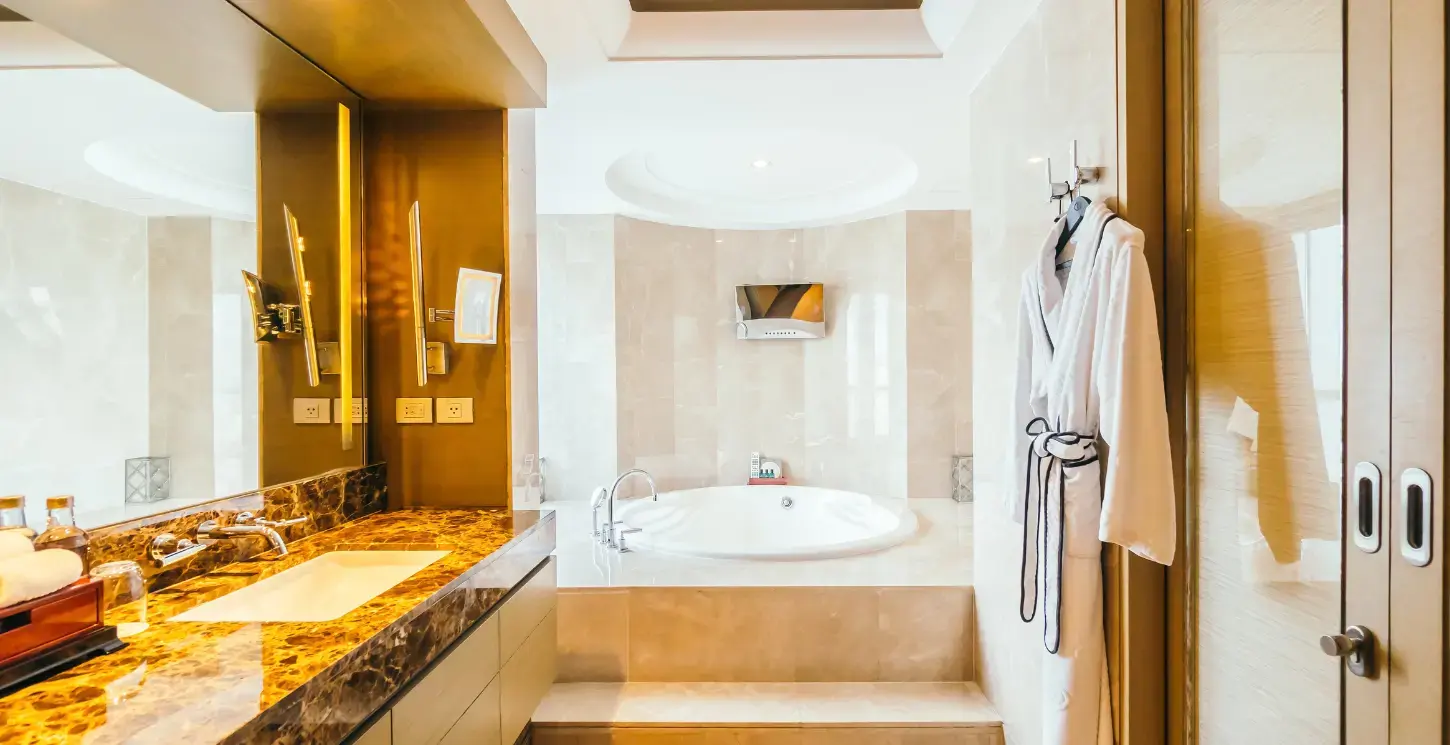
Crafting a well-designed bathroom can totally elevate how a Dubai home looks and functions on a daily basis. When you bring together premium materials, smart lighting, clever storage, proper airflow, and a layout that flows naturally, the entire space shifts from ordinary to deeply comfortable and intentional.
At the same time, tackling a bathroom upgrade means juggling several technical moving parts all at once. Plumbing, drainage, waterproofing layers, electrical setups, and material choices have to be coordinated with absolute precision. Getting familiar with the typical bathroom renovation mistakes can give homeowners the clarity they need to plan out their project without any nasty surprises.
Designing a standout bathroom goes way beyond just picking out stylish tiles, fixtures, and sanitaryware. What you can actually pull off comes down to the bones of the space, things like existing structural lines, plumbing routes, drainage points, airflow, and electrical configurations.
Plus, Dubai's unique climate means managing moisture and choosing the right weather-resilient materials aren't things you can afford to gloss over. On top of that, the scale of your project and whether you live in an apartment or a villa will dictate what kind of building management clearances or official approvals you need to secure before swinging a hammer. A considered planning process should therefore address:
Sorting out these foundational details before a single tile gets laid down saves you from a world of trouble down the line. It sets you up for a smoother build and keeps you from having to tear things apart to fix avoidable mistakes later on. Here are some of the common mistakes you should avoid:
One of the most common bathroom renovation mistakes is choosing tiles, sanitaryware, and colors before understanding the technical requirements of the space. Planning a bathroom layout means working within the constraints of your current space, including existing plumbing lines, electrical drop points, drainage paths, airflow, and physical dimensions. Shifting fixtures like a toilet, shower, or vanity isn't as straightforward as moving them on a drawing. You have to factor in drainage slopes, pipe routes, and service access before any work begins.
Building a solid planning phase means locking in the technical framework upfront before shaping the aesthetic vision around it. That way, creative choices can stay bold while remaining completely realistic about what the physical space actually allows.
Even though water protection is essential in any bathroom, waterproofing is frequently treated as an afterthought during renovations. Even stunning spaces will face serious problems if that layer is rushed or poorly planned, particularly around vulnerable areas like showers, wet zones, drains, and wall-to-floor junctions. Your waterproofing approach needs to factor in:
While tiles and grout create the visual aesthetic, they cannot replace a solid waterproofing foundation. In high-end bathrooms, hidden technical layers matter just as much as surface finishes. Ultimately, that unseen infrastructure dictates whether the space holds up well down the road.
Looking beyond pure aesthetics is essential for bathroom materials. Because these spaces face daily moisture, harsh cleaners, fluctuating temperatures, and heavy use, every selection has to match its specific job. While natural stone, porcelain, engineered slabs, metal fixtures, and accents all deliver unique styling, their upkeep needs and wet-zone performance vary significantly. Consider:
This becomes particularly important when a bathroom is part of a wider villa renovation in Dubai. While a bathroom needs to fit seamlessly into the home's overall design style, it still has to meet strict technical demands. It is also wise to test material samples directly under the room's actual lighting plan. A finish that looks ideal in a showroom can feel completely different once warm architectural lights are switched on.
Effective ventilation is essential for any bathroom, especially in enclosed layouts or spaces dealing with heavy moisture. Without it, you are looking at stubborn humidity, condensation, and gradual moisture damage that will quickly shorten the lifespan of your fixtures and finishes. Because of this, airflow planning belongs right at the drawing board rather than at the tail end of a project. The planning process should examine:
True luxury bathroom design goes far beyond surface-level looks. Hidden behind walls and ceilings, mechanical and electrical setups have to work seamlessly behind the scenes without ever disrupting the original architectural vision.
Relying entirely on a single ceiling fixture is another common misstep. Bathrooms work best with layered lighting that blends general illumination with targeted task and accent options. Different zones, like the vanity mirror, shower stall, and architectural accents, each demand their own specific lighting approach. A considered scheme can include:
Electrical planning has to happen well before any finishes go up, and paying attention to color temperature is just as critical. Ultimately, the goal is to build an environment that effortlessly supports daily routines while highlighting the character of your chosen materials and finishes.
Avoiding common bathroom renovation mistakes starts with treating the bathroom as a complete design and technical environment rather than a collection of finishes and fixtures. Every single choice, from waterproofing and drainage to lighting, storage, ventilation, and material selection, shapes the final outcome. Tackling these details early on also cuts down on costly, disruptive changes once construction is underway.
Backed by 22+ years of experience and more than 1,350 completed projects, Haifa Renov8 handles residential and commercial transformations throughout Dubai. Their multidisciplinary process merges design, technical coordination, project management, material sourcing, and skilled craftsmanship across villas, apartments, and commercial properties. When homeowners take on a larger property overhaul, bathroom design can be seamlessly tied into the surrounding architecture and interior styling. This ensures the finished space honors the home's unique character while remaining practical for everyday life.
Ans: Common bathroom renovation mistakes include inadequate waterproofing, poor ventilation planning, unsuitable materials, insufficient storage, and changing plumbing layouts without assessing technical requirements.
Ans: Requirements depend on the scope of work and property type. Homeowners should establish applicable approvals or building-management permissions before execution begins.
Ans: Materials should be selected according to moisture resistance, maintenance requirements, durability, slip characteristics, and suitability for the specific application rather than appearance alone.
Ans: Yes. Integrating bathroom design with a wider villa renovation in Dubai can create greater visual continuity across materials, cabinetry, hardware, lighting, and architectural detailing.
Ans: Finalize the design and technical plan early, coordinate plumbing and electrical requirements, review materials carefully, address waterproofing properly and maintain consistent site supervision throughout execution.






 Dubai Hills